 Image 1 of 1
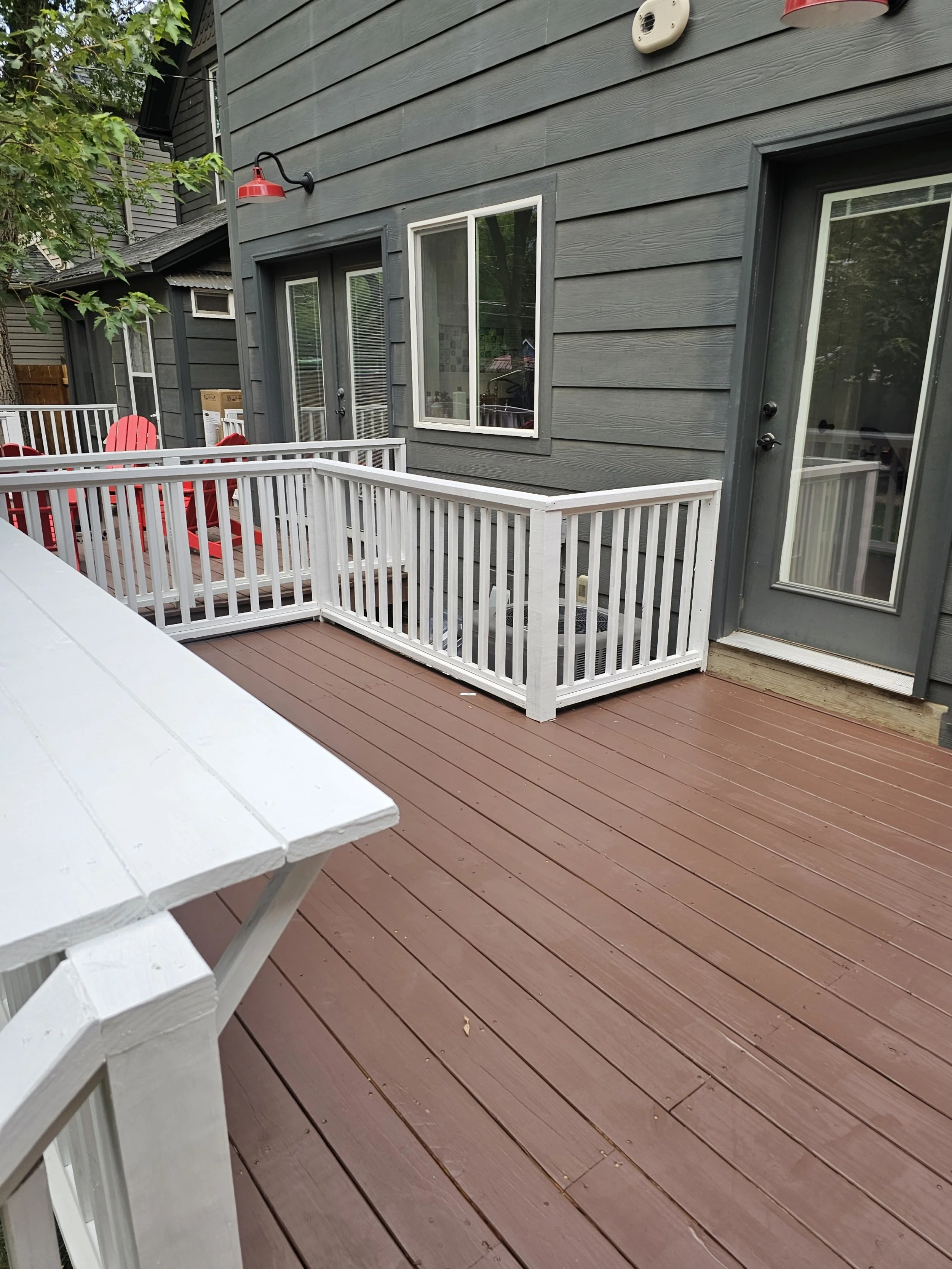
We build decks that you will love and enjoy at resendable prices
A well-built deck transforms outdoor living — extending your home’s usable space, creating a focal point for gatherings, and increasing property value. At Hillbilly Handiworks, we design and build decks that balance durability, low maintenance, and style.
Materials and what to consider
Pressure‑treated wood: Cost-effective, strong, and widely available. Requires periodic staining or sealing to prevent weathering and mildew. Best when budget-conscious and you don’t mind regular upkeep.
Cedar or redwood: Naturally rot- and insect-resistant with a warm, attractive grain. More expensive than treated lumber but needs less intensive maintenance and ages nicely.
Composite decking: Manufactured from wood fiber and plastic. Very low maintenance, resists fading, staining, and rot. Initial cost is higher but long-term upkeep is minimal. Choose higher-quality brands for better color retention and structural warranties.
PVC decking: 100% plastic boards that offer exceptional resistance to moisture and mold and require almost no maintenance. Can be more slippery when wet; select textured profiles for better traction.
Tropical hardwoods (ipe, cumaru): Extremely durable and dense with a premium look. Require pre-drilling and specialized fasteners. High upfront cost but outstanding longevity.
Design basics
Size and layout: Plan for furniture circulation and traffic flow. Allow 3–4 feet of clearance around tables and seating areas to move comfortably.
Deck height and access: Step layout, railings, and safe transitions to yard or patio matter. Consider built-in seating and integrated planters for efficient use of space.
Orientation and sun exposure: Overhead sunscreens, pergolas, or shade sails reduce heat on south
We build decks that you will love and enjoy at resendable prices
A well-built deck transforms outdoor living — extending your home’s usable space, creating a focal point for gatherings, and increasing property value. At Hillbilly Handiworks, we design and build decks that balance durability, low maintenance, and style.
Materials and what to consider
Pressure‑treated wood: Cost-effective, strong, and widely available. Requires periodic staining or sealing to prevent weathering and mildew. Best when budget-conscious and you don’t mind regular upkeep.
Cedar or redwood: Naturally rot- and insect-resistant with a warm, attractive grain. More expensive than treated lumber but needs less intensive maintenance and ages nicely.
Composite decking: Manufactured from wood fiber and plastic. Very low maintenance, resists fading, staining, and rot. Initial cost is higher but long-term upkeep is minimal. Choose higher-quality brands for better color retention and structural warranties.
PVC decking: 100% plastic boards that offer exceptional resistance to moisture and mold and require almost no maintenance. Can be more slippery when wet; select textured profiles for better traction.
Tropical hardwoods (ipe, cumaru): Extremely durable and dense with a premium look. Require pre-drilling and specialized fasteners. High upfront cost but outstanding longevity.
Design basics
Size and layout: Plan for furniture circulation and traffic flow. Allow 3–4 feet of clearance around tables and seating areas to move comfortably.
Deck height and access: Step layout, railings, and safe transitions to yard or patio matter. Consider built-in seating and integrated planters for efficient use of space.
Orientation and sun exposure: Overhead sunscreens, pergolas, or shade sails reduce heat on south